

Designing Around Everyday Living
- By Mohammad Shariq
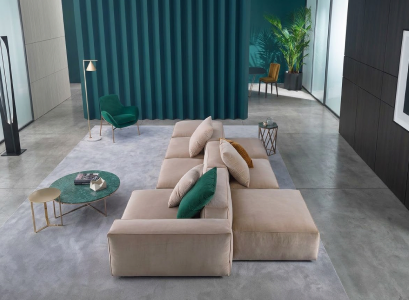
The most familiar moments in a home are often the ones that deserve the most attention. Arriving at the end of the day, gathering around a table or finding a quiet place to pause can all be supported by thoughtful design.
Tresori’s furniture, kitchen and wardrobe collections offer a starting point for considering these routines together. Looking beyond the appearance of individual pieces helps connect comfort, storage and movement in a home that feels natural to use.
Design for an ordinary day
The most useful design brief often begins with small moments. Where do bags land when you arrive home? Where does someone read while another person watches television? Does the dining table host everyday meals, occasional guests or both? These observations reveal what the room needs before a style is chosen.
Walk through a weekday and a weekend separately. A Dubai apartment used mainly in the evening may need a different furniture arrangement from a family home occupied throughout the day. Neither routine calls for a formula; both call for listening.
Give each activity a place
Use living, dining and bedroom furniture to support those routines. A chair needs a useful position, not merely an empty corner. A side table should serve the seat beside it. Storage belongs near the things it is intended to hold.
Mark out the proposed furniture footprints before committing to a layout. Check how chairs move away from a dining table, how doors open and how people pass through the room when it is occupied. A plan that looks tidy can still feel awkward in use.
Connect the practical layers
Consider kitchens and wardrobe systems alongside the rooms around them. Storage requirements, furniture positions and the visual weight of cabinetry influence one another. Resolving them together can prevent a beautiful piece from becoming an obstacle.
Textiles also belong in the early discussion. Think about where privacy matters, which views should remain open and where a rug would help define a group of furniture. Ask about the specific product’s suitability and care rather than assuming that appearance tells the whole story.
Keep room for personal habits
Not every surface needs to be styled and not every corner needs a new object. Leave useful space for the books, belongings and activities that make a home yours. A room can be composed and still allow daily life to happen.
Tresori’s design experience begins with understanding the space and the people using it. Bring your everyday observations to the first conversation, together with photographs and dimensions. They can be more revealing than a collection of polished reference images.