

Designing Spaces With Purpose
- By Mohammad Shariq
A room feels purposeful when its design makes sense of the life taking place within it. The position of a chair, the route between adjoining spaces and the balance of open and occupied areas all influence that experience.
For Tresori’s furniture and interior design conversations, these everyday needs provide a useful starting point. Bringing layout, proportion and material choices together helps create a home whose visual character is supported by a clear reason for each decision.
Give the room a clear job
A purposeful interior begins with a question: what should this space make easier? A living room might need to bring people together, give someone a quiet place to read or accommodate several activities without conflict. A dining area may need to serve everyday meals as comfortably as occasional gatherings.
Write down these priorities before selecting furniture. If every item is chosen independently, a room can fill up without becoming more useful. A short brief gives each decision a reason and makes it easier to recognise when an appealing piece is not the right fit.
Let movement guide the arrangement
Place the principal furniture pieces on a measured plan, then trace the routes people take through the room. Include the space needed to pull out chairs, open doors and use storage. Judge the arrangement as an occupied room, not just as a collection of rectangles.
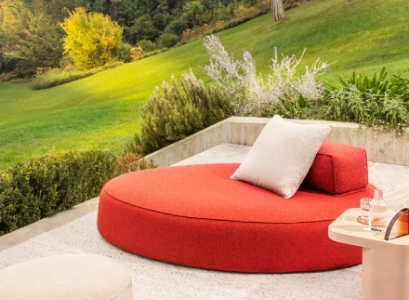
For a Dubai apartment or villa, the relationship between living, dining and adjoining spaces is worth discussing early. A furniture group can define an activity while leaving the wider room connected. Avoid assigning a function to a corner simply because it is empty.
Make storage part of the brief
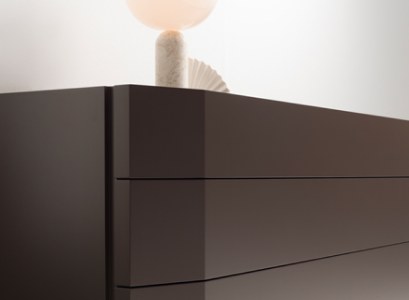
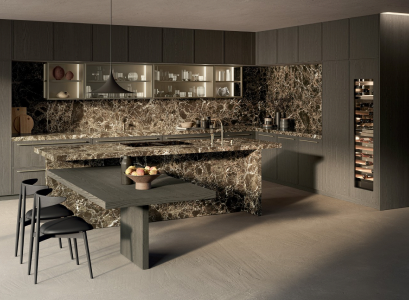
Storage is most useful when it answers a specific need. List what must be accessible every day and what can be put away. Tresori’s kitchen, wardrobe and cabinet systems offer a starting point for a conversation about organisation and the visual role of joinery.
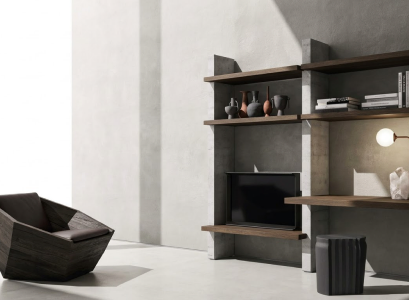
Discuss these requirements with the furniture layout in view. Tall storage can shape the character of a room; a lower element may allow a different relationship with art, a view or a seating group. The goal is a coherent proposal, not the largest possible amount of cabinetry.
Turn the brief into a selection
Choose materials and finishes after the main relationships are clear. Ask how each proposed piece will be used, how it should be cared for and how it works alongside the items you are keeping. Resolve dimensions and product suitability before treating a reference image as a final decision.
Tresori’s design and product-selection services connect spatial requirements with furniture, materials and finishes. Bring a plan, photographs and your list of priorities to the conversation. Purpose gives the project direction; the selected pieces give it character.