

The Art of Material Selection
- By Mohammad Shariq
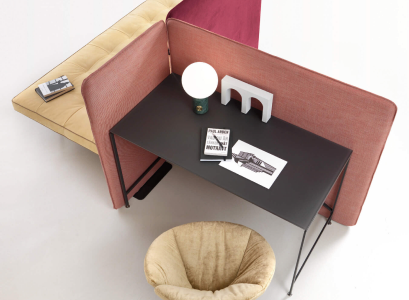
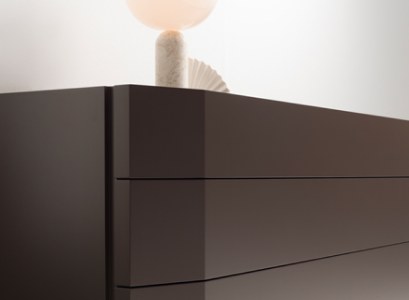
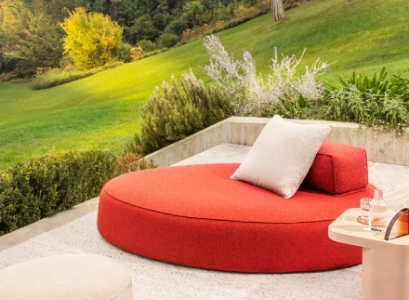
The character of an interior often lies in the surfaces we encounter every day. The feel of upholstery, the grain of a table and the way light falls across a finish all shape how a room is experienced.
Within Tresori’s furniture and interior collections, material selection is a way to connect these details. A considered palette brings visual interest and practical needs into the same conversation, helping each choice feel at home in the wider space.
Start with what will stay
A material palette rarely begins with a completely blank room. Flooring, existing joinery, a favourite table or a piece of art may already set part of the direction. Gather these fixed elements first, then identify what the new materials need to do: connect them, soften a contrast or introduce a different texture.
For a Dubai interior, view the palette in the actual room where possible. Compare samples at different times of day and under the lighting you use in the evening. Make the decision from relationships between surfaces, not from isolated samples viewed on different days.
Give each surface a role
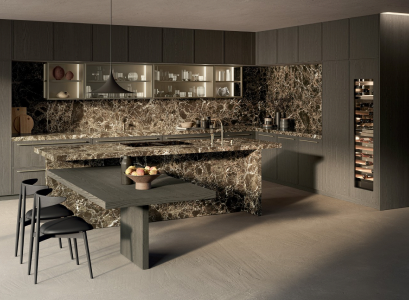
Separate the large background surfaces from the pieces you want to notice first. A strongly patterned tabletop may need calmer upholstery nearby; a restrained furniture arrangement may benefit from a more expressive textile. This is a way of setting priorities, not a rule that every room needs a statement finish.
Consider texture and reflectivity alongside colour. Two similar tones may behave quite differently when one is smooth and reflective and the other is visibly woven. Place the samples together and decide which contrast supports the atmosphere you want.
Ask practical questions before committing
Identify the proposed use of each material. A surface chosen for a decorative object is not automatically appropriate for frequent dining, a kitchen work area or an outdoor setting. Ask for the exact composition, suitable applications and care instructions for the selected product.
Clarify which parts of a specification are confirmed and which are still options. Keep a record of finish names and product references so a visual choice can be checked against the eventual order. Avoid treating a photograph or a familiar material name as a complete technical description.
Bring the layers together
Curtains, rugs and wallcoverings can connect the larger furniture pieces to the architecture. Evaluate them with the other finishes rather than as a final isolated purchase. A rug affects the reading of a seating group; a curtain fabric becomes part of the room’s larger colour and texture balance.
Tresori’s design process includes the exploration of fabrics, finishes, textures and colour. Bring existing samples and photographs to a consultation and describe the way the space will be used. A successful palette should be understandable both as a visual composition and as a set of practical choices.